

Not every meaningful moment has to be a milestone. It might be the few quiet minutes before work, the scent of a favourite candle, or a sentence written in a journal at the end of a long day. Simple daily rituals can help us notice those moments instead of rushing past them.
A ritual does not need to be spiritual, time-consuming or expensive. Think of it as a small action done with intention. Here are five practical ways to create a little more space for reflection in ordinary life.
What makes an everyday ritual meaningful?
Routine is often about getting something done. Ritual is about paying attention while you do it. Brewing tea becomes a ritual when you put your phone down and notice the warmth of the cup. Opening a journal becomes a ritual when you use the page to think, rather than only to complete a task.
The value comes from repetition and personal meaning, not from buying particular objects or following strict rules. A candle, gemstone or deck of cards can be a beautiful reminder to pause, but none is required.
1. Begin the morning with one clear intention
Time: 2–3 minutes. Before checking messages, ask: ‘What matters most to me today?’ Your answer could be practical, such as finishing one task, or personal, such as being more patient with yourself.
Write the answer somewhere you will see it. Keep it short enough to remember. ‘Make time for a proper lunch’ or ‘Listen without rushing’ is more useful than a complicated list of resolutions.
- Place your journal or notebook beside your morning cup.
- Write one intention and one realistic action connected to it.
- Return to that line in the evening, without judging yourself if the day changed.
If you enjoy putting pen to paper, a moon-phase velvet notebook gives this tiny morning practice a dedicated place.
2. Make a midday pause part of your day
Time: 60–90 seconds. When the afternoon gets busy, move away from your screen if you can. Notice your feet on the ground, relax your shoulders, and take a moment to look at something that is not another notification.
You might stand by a window, drink water or stretch gently. This is a simple awareness exercise, not a treatment for stress or anxiety. If your day is demanding, one short pause is enough; the point is not to turn rest into another task.
For a tactile reminder, choose one ordinary object on your desk—a smooth stone, a favourite pen or a small keepsake. When you notice it, consider whether you need a moment to reset.
3. Turn an evening candle into a screen-free moment
Time: 10 minutes. A little atmosphere can make the transition from work to home feel more deliberate. Dim the lights, put music on quietly if you enjoy it, and sit with a book or journal instead of scrolling.
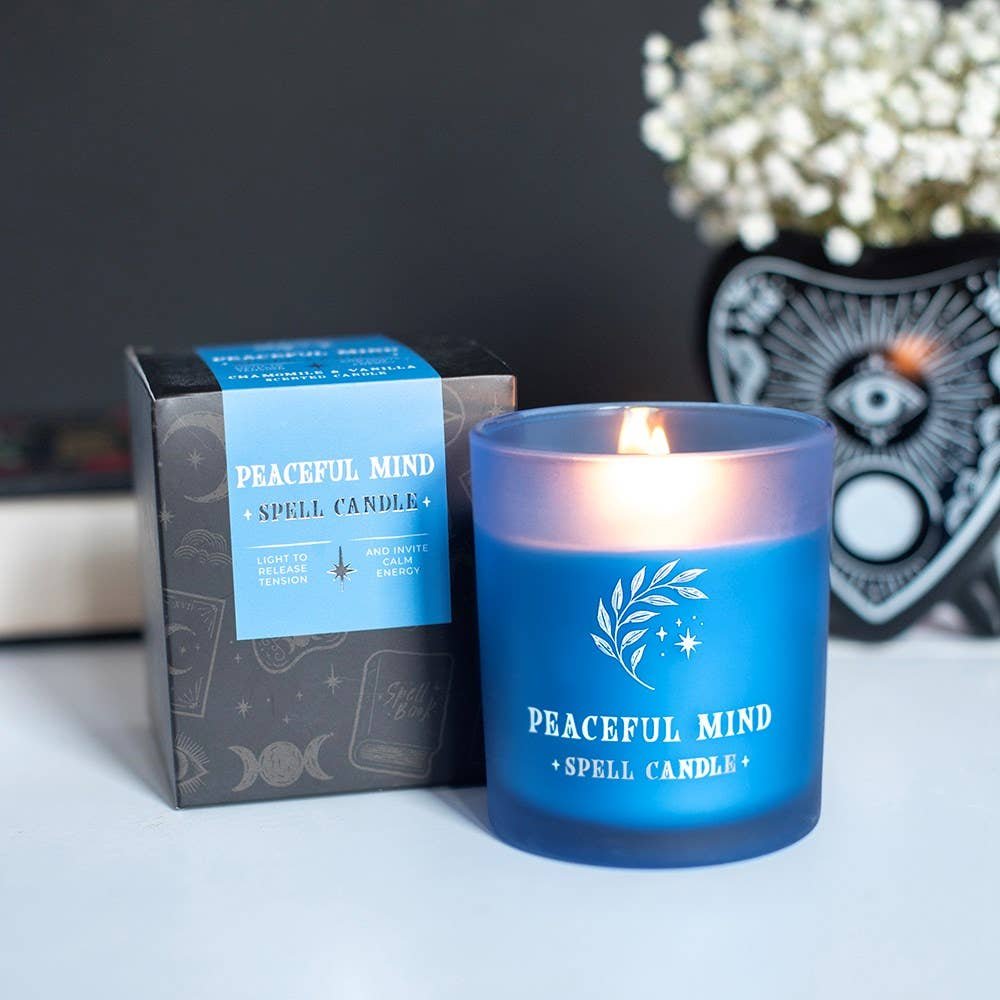
A softly scented option such as the Peaceful Mind Chamomile & Vanilla Candle can create a cosy setting. Fragrance preferences are personal: choose scents you find pleasant rather than expecting them to deliver a specific health effect.
Light a candle only when you can supervise it. Keep it on a stable, heat-resistant surface, away from curtains and other flammable objects, and never leave it burning unattended. Follow the product’s safety directions and extinguish it before sleeping or leaving the room.
4. Use a journal prompt to close the day
Time: 5 minutes. You do not have to write pages. Begin with a single question and respond as openly or briefly as you like. If you prefer not to write about difficult feelings, focus on what you noticed, enjoyed or learned.
- ‘What small moment made me smile today?’
- ‘What did I give my attention to, and what can wait until tomorrow?’
- ‘What is one thing I would like to do differently next time?’
- ‘What felt unexpectedly beautiful or interesting?’
- ‘What would make tomorrow a little easier?’
Some days, the whole entry might be three words. That still counts. The aim is to build a gentle habit, not to produce a perfect diary.
A weekly intention planner works well for combining reflective questions with practical plans.
5. Create a weekly reset with a personal symbol
Time: 10–15 minutes once a week. Choose a recurring moment—Sunday evening, a quiet weekday morning or whenever you naturally slow down. Tidy a small corner, reflect on the past week and decide what you would like more room for next.
Some people include a symbolic object, incense or an oracle card as a creative prompt. Others simply take a walk. The practice is yours to shape.
If cards inspire you, explore our Tarot & Oracle collection or try the free Pick a Card experience for a reflective question to journal about.
If you enjoy home fragrance, the Mindfulness Incense Stick Collection is another option for a carefully ventilated, supervised space. Always follow burning instructions, keep smoke away from anyone sensitive to it and consider pets and household ventilation.
How to make your rituals actually stick
The easiest ritual is one that fits your real day. Rather than adding five habits at once, start with just one. Let it attach to something you already do: after making coffee, before closing your laptop or when putting away a book.
- Keep the time small. Two minutes practised occasionally may be more inviting than an elaborate routine you never begin.
- Make it visible. Leave the journal on the table or choose a designated quiet corner.
- Allow flexibility. A ritual can change when you travel, work late or simply feel different.
- Choose sensory details you enjoy. Texture, light, scent and music can make a moment feel personal, but none is essential.
- Skip perfection. You are making a little space in the day, not measuring your wellbeing.
A simple ten-minute evening ritual
If you want a starting point, try this gentle combination. Put your phone aside for two minutes, sit quietly or read for three, write one reflection for three, then use the final two to prepare something small for tomorrow. Adapt each step to your preferences and energy.
You can decorate the space with a favourite natural stone, a photograph or an unlit candle. What matters is the attention you bring to the moment, rather than the objects themselves.
Frequently asked questions
Do daily rituals need special supplies?
No. A notebook, cup of tea or a quiet corner is enough. Decorative objects are optional ways of making your space feel inviting.
How long should a daily ritual take?
There is no required length. Try one or two minutes first, then extend the practice if it adds something positive to your day.
Can everyday rituals replace professional support?
No. These ideas are for reflection and enjoyment, not medical or mental-health care. Seek qualified support when you need it.
Make room for moments that matter
Ages & Moments is inspired by a simple contrast: nature creates its treasures over long stretches of time, yet we encounter them in a single moment. Browse candles and home discoveries or ritual essentials if you would like to add a personal detail to your own quiet corner.
Nature’s treasures. Moments that matter.